
Starting a Business in the UAE While Rebuilding Your Life: What I Know
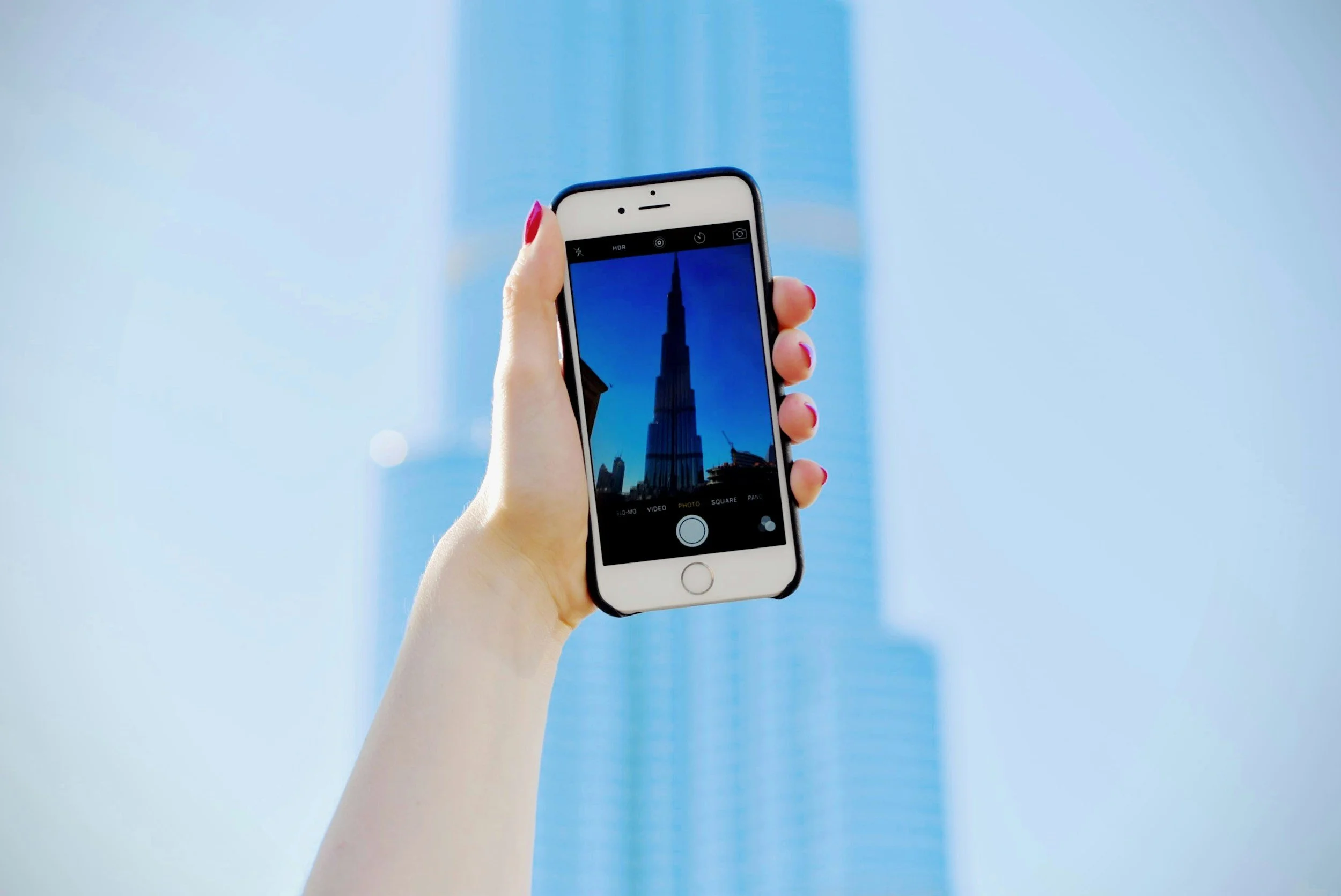
Starting a business or side hustle in the UAE as a woman who is rebuilding her life — here's what I know.
I get asked this constantly, in different forms, by women in completely different circumstances: widows figuring out an income after everything changed overnight, mothers building something flexible around school pick-up, women who left a marriage and need to stand on their own financially. The question underneath is always the same: where do I even start?
So here is what I'd tell you, broken into the two things that actually matter — your legal options, and the mindset that gets you through the early months.
First: Your Options
There are three main routes into self-employment in the UAE, and which one fits depends on how you work and what you're starting.
Freelance permit. This is one of the most accessible routes for solo service providers — consultants, coaches, designers, writers, anyone selling their own skill rather than a product. The Dubai Development Authority (DDA), for example, issues a Freelancer Licence that lets you operate under your own name rather than a company brand. (Dubai Development Authority) Several other free zones run their own version — Sharjah Media City (Shams), RAKEZ in Ras Al Khaimah, twofour54 in Abu Dhabi, and Fujairah Creative City among them. RAKEZ's permit, for instance, is aimed specifically at media and education professionals and is officially listed from AED 6,100 a year, including eligibility for a UAE residence visa. (RAKEZ) Costs and eligible activities vary by zone, so it's worth checking which one actually covers what you do before applying.
Free zone business. Good for online businesses, coaching, consulting, and creative services — exactly the kind of business many women I meet are building. Per the UAE Government Portal, free zone companies can be up to 100% foreign-owned, with full repatriation of capital and profits and a simplified setup process — no UAE national partner required. (U.Ae — Starting a Business in a Free Zone) Each free zone has its own packages and price points, so it's worth comparing two or three before committing.
Home-based business. Some emirates allow home-based trade licences at a lower cost than a full commercial set-up — and it's worth knowing exactly how this applies to you, because eligibility differs depending on your residency status. Dubai's Intelaq licence (via Dubai SME) and Sharjah's Eitimad licence (via SEDD) both allow a registered business to run from home or through social media — but per the UAE Government Portal, both are specifically for UAE and GCC nationals. (U.Ae — Eitimad Domestic Licence from Sharjah) If you're an Emirati or GCC national rebuilding your life here, this is genuinely one of the cheapest, lowest-friction ways to start.
If you're here on a residence visa rather than a UAE or GCC passport, the closest equivalent is Dubai's Instant Licence through the Department of Economy and Tourism (DET): it can be issued in around five minutes for a wide range of activities, and — crucially — doesn't require a physical office or an Ejari-registered tenancy contract in your first year. DET assigns a virtual business address instead, and government fees typically run from about AED 5,000 to AED 18,000 depending on the activity you choose. (Dubai DET) It doesn't carry the "home business" label, but it gives you the same practical outcome — low overhead, no office lease, started quickly.
What I'd Tell Every Woman Starting Out
1. Start with your skills. What can you do right now, with what you have? Start there. Not the business you'll build in three years — the one you can offer this month.
2. The UAE market rewards reputation. Referrals and word of mouth are gold here. This is a relationship-driven market; one good client who talks about you to two more is worth more than weeks of cold outreach.
3. Social media is your free storefront. Don't underestimate what a consistent online presence can build. You don't need a big following — you need a clear one that knows what you do and trusts you.
4. Get the right licence. Operating without one creates risk. It doesn't have to be expensive to be legitimate — as the figures above show, there are routes into this for a few thousand dirhams, not tens of thousands. Start with what you can actually afford, and grow the licence as the business grows.
5. Find your community. Women-in-business networks in the UAE are active and generous. Dubai Business Women Council (DBWC) — a nonprofit under Dubai Chambers, running since 2002 — and Dubai Women Establishment (DWE) are two established, official starting points if you don't know where to look first. (DBWC · DWE) Beyond the official bodies, there are dozens of informal women's business groups across the Emirates — ask around, and you'll find one that fits.
You don't need to have everything figured out to start. You just need to start.
A Final Note
If you have questions about any of this — which licence fits your situation, what a free zone actually costs once all the fees are in, or anything else — leave them in the comments, or reach out through HerSphere directly. I'll answer everything I can.
You are not starting from nothing. You're starting with a skill, a market that rewards showing up consistently, and more support around you than it might feel like right now.
Anna Heenan is the founder of HerSphere.ae — a curated support platform for women rebuilding their lives in the UAE. She is a widow, a mother, and someone who has learned to ask for help.
Sources: Dubai Development Authority (dda.gov.ae) · RAKEZ (rakez.com) · UAE Government Portal (u.ae) · Dubai Department of Economy and Tourism (dubaidet.gov.ae) · Dubai Business Women Council (dbwc.ae) · Dubai Women Establishment (dwe.gov.ae)
Category: Business & Entrepreneurship · Audience: Women starting a business or side hustle in the UAE · Reading time: 4 min
